
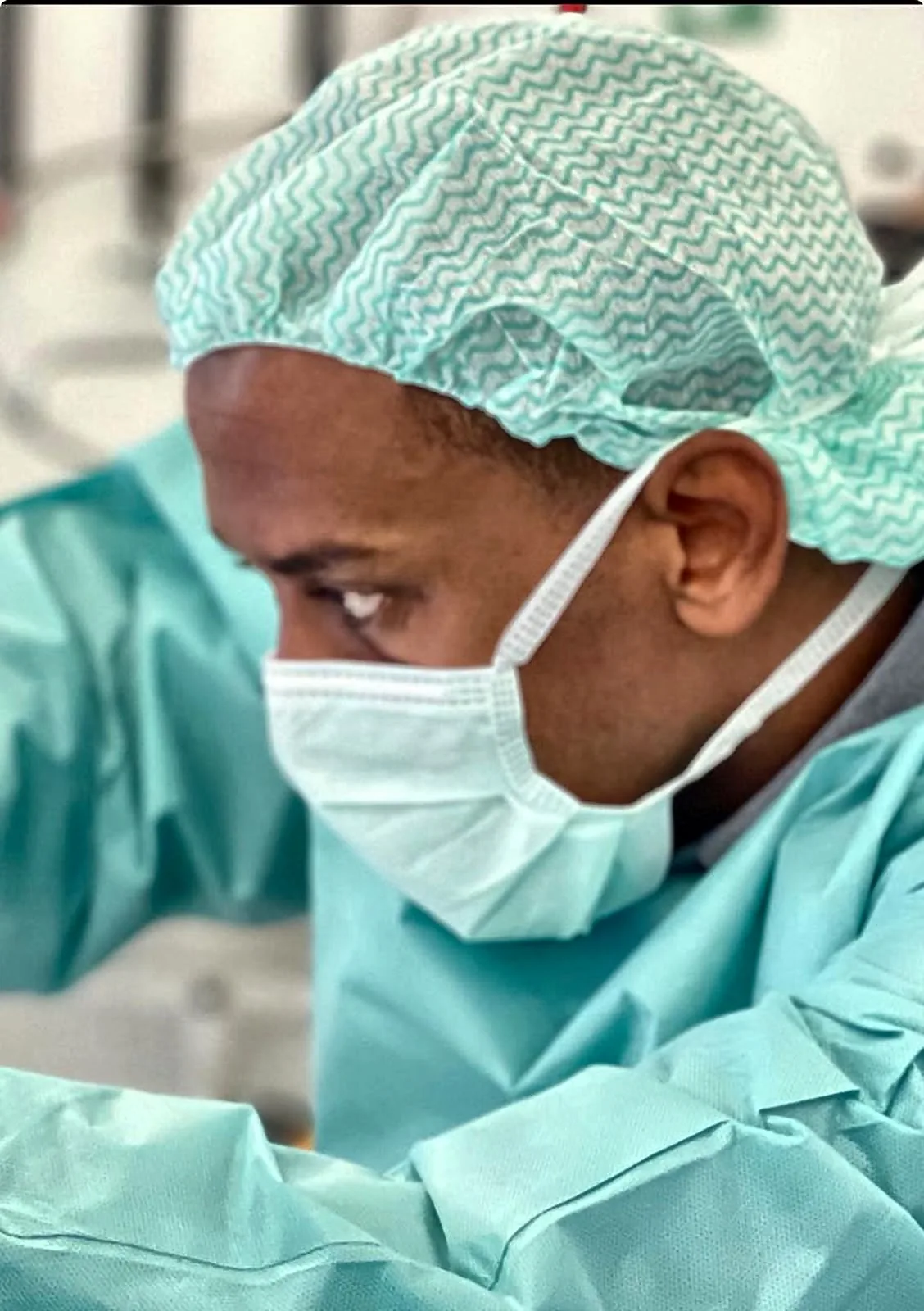
Eyelid Surgery
Blepharoplasty (Eyelid Surgery)
With age, the skin of the eyelids stretches and the supporting muscles weaken. The result can be heavy, drooping upper lids, puffiness and bags beneath the eyes, and a tired look that does not reflect how you feel.
Blepharoplasty removes or repositions excess skin and fat to restore a fresh, alert appearance, while keeping the natural character of your eyes.
What is blepharoplasty?
Blepharoplasty is surgery of the upper eyelids, the lower eyelids, or both. In the upper lids, excess skin and, where needed, a small amount of fat are removed through an incision hidden in the natural eyelid crease. In the lower lids, fat can be removed or repositioned and loose skin tightened, through an incision just below the lashes or from the inside of the lid.
- Drooping or heavy upper eyelids
- Excess skin folds on the upper lids
- Puffiness and bags under the eyes
- Fine wrinkling of the lower eyelid skin
Function as well as appearance
When upper eyelid skin sags onto the lashes, it can restrict the upper field of vision. In these cases, upper blepharoplasty can also bring a functional benefit. This is assessed carefully during the consultation.
Who may be a suitable candidate?
- Adults bothered by heavy upper lids or lower eyelid bags
- Patients in good general health without untreated eye disease
- Patients with realistic expectations
- Non-smokers, or patients willing to stop around the time of surgery
Combination with other procedures
If the eyebrows have also descended, a brow lift may be recommended, because lifting the brow changes how much eyelid skin needs to be removed. Eyelid surgery can also be combined with a facelift, a midface lift or fat grafting after a personalised consultation.
Recovery
- Swelling and bruising are most noticeable in the first week
- Stitches are usually removed after about five to seven days
- Many patients return to office work after around ten days
- Cool compresses and keeping the head elevated help in the first days
- Scars usually fade and become discreet over the following months
Risks and limitations
Possible risks include bleeding, infection, temporary dryness or irritation of the eyes, asymmetry, visible scarring and, rarely, changes in eyelid position. These are discussed openly and in detail during your consultation.
Frequently Asked Questions
Will the scar be visible?
In the upper lid, the incision lies in the natural crease and is usually well hidden once healed. Lower lid incisions are placed just below the lashes or on the inside of the lid.
Can the upper and lower lids be treated together?
Yes. Upper and lower blepharoplasty can be performed in the same operation when both are needed.
How long do the results last?
The results are long-lasting, although natural ageing continues. Many patients enjoy the effect for many years.
What type of anaesthesia is used?
Upper eyelid surgery is often performed under local anaesthesia, sometimes with sedation. Combined procedures may require general anaesthesia. This is decided individually.
Other procedures
Begin with a private consultation
Our coordinator will contact you to arrange a convenient time.